


Understanding the Risks of Solid Wood Desktops
Solid wood is a natural material with unique character and long-term value. Unlike engineered surfaces, a solid wood desktop responds to changes in temperature and humidity over time. As a result, movement such as cracking, slight warping, or surface variation can occur. These are natural characteristics of solid wood, not manufacturing defects. At beflo, we design our desktops to work with the nature of wood rather than against it.
Cracking and Splitting
Solid wood is hygroscopic, which means it absorbs and releases moisture depending on the environment. As humidity changes, a solid wood desktop may expand or contract. In some cases, this natural movement can result in visible cracking or splitting. This is a normal characteristic of solid wood and is not considered a defect. Maintaining a stable indoor environment can help reduce the likelihood of extreme movement, but some variation should always be expected with real wood.

Warping and Bowing
Warping and bowing can occur when a solid wood desktop responds unevenly to environmental conditions, especially when one side is exposed to different levels of temperature or humidity than the other. Because wood is a living material, slight movement over time is expected. This is part of the natural behavior of solid wood. At beflo, our design allows the desktop to move more naturally, helping reduce stress on the material over the long term.

Surface Damage
A solid wood desktop may also show marks, dents, or subtle surface changes through everyday use. Unlike synthetic surfaces, real wood carries a texture and softness that can develop character over time. Minor surface marks, small dents, or finish wear are part of normal use and are not considered manufacturing defects. Regular care and appropriate use can help preserve the appearance of the desktop, but variation over time is part of what makes solid wood unique.
▸ Minor surface marks?
Light surface scratches or pressure marks may occasionally occur during daily use. For shallow abrasions on wood veneer, a traditional technique involves gently rubbing the area with a raw walnut kernel (shelled, not roasted). The natural oils help reduce the visibility of fine marks and restore the wood’s surface tone.
While this method can be helpful for minor cosmetic restoration, we recommend using it only on light, non-structural marks. Please avoid chemical cleaners or abrasive tools, which may damage the protective finish. Watch a short demonstration

Tips for your Tenon
The Tenon desktop is designed to rest securely on the frame—no screws are necessary.
This design choice allows the natural movement of solid wood, helping to reduce internal stress and the risk of cracks over time.
For best results, we suggest placing the desktop directly onto the frame without fastening it.
Allowing the wood to expand and contract freely enhances its long-term durability and maintains the clean, minimal look of your setup.
Note: While fastening is possible, doing so may increase tension within the wood, especially in environments with humidity changes.
Important Note
Because solid wood is a natural material, each desktop will respond differently depending on humidity, temperature, sunlight exposure, and daily use. Variation in grain, color, movement, and surface condition is part of the nature of solid wood and is not considered a manufacturing defect.

Why Choose a Beflo Solid Wood Desk?

Designed with the nature of wood in mind
At beflo, we do not treat solid wood as a static surface. We design with its natural movement in mind, allowing the material to behave as it should over time. This approach helps reduce unnecessary stress on the desktop and supports long-term performance.
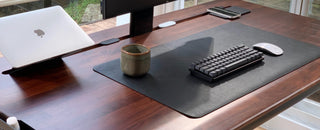
Material integrity
A solid wood desktop offers warmth, depth, and character that engineered materials cannot fully replicate. Every piece carries natural grain variation, making each desktop unique while preserving the integrity of the material itself.
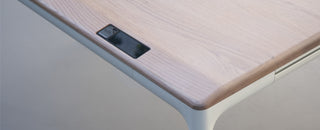
Built with intention
From structure to surface, every detail is designed to support long-term use. Our approach is not only about craftsmanship, but about making design decisions that respect both the material and the way the product is used in real life.